
What is Coming This Week
Tuesday will bring the latest consumer confidence index from The Conference Board, a major business research organization. Financial analysts anticipate the findings will show declining confidence levels for August, following a similar drop in July. This marks a troubling pattern that has persisted throughout the year as inflation remains stuck at elevated levels.
Wednesday’s release of the Personal Consumption Expenditures report for July will provide the Federal Reserve’s preferred inflation metric. The PCE, like other widely tracked inflation measures, continues to show prices rising faster than the Fed’s two percent target, hovering above three percent.
Why Shoppers Are Feeling the Squeeze
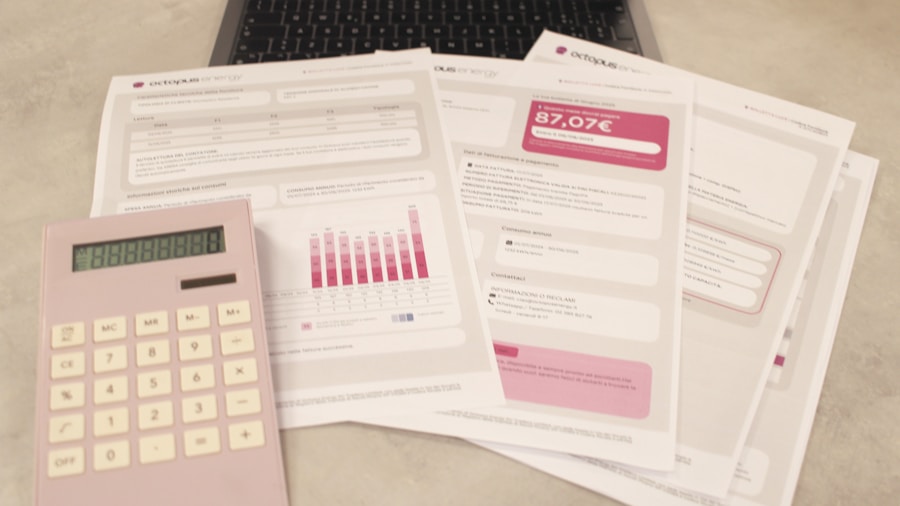
Several major factors have combined to keep inflation stubborn and relentless. Geopolitical tensions in the Middle East have disrupted global oil supplies, sending gasoline prices higher and straining household budgets at the pump. These energy costs ripple through the entire economy, raising expenses for shipping everything from food to apparel. When freight becomes more expensive, retailers pass those costs along to consumers.
Earlier this year, broad tariff policies imposed globally added another layer to inflationary pressure. Then the Middle East conflict intensified disruptions at key shipping routes, causing prices to climb further. Together, these forces have made it increasingly difficult for the Fed to achieve its inflation goals.
The Confidence Connection
Consumer confidence doesn’t exist in a vacuum. When people perceive that prices are rising faster than their paychecks, they become more cautious about spending. Weak confidence translates into reduced purchasing power and a pullback in consumer activity. Since consumer spending drives roughly 70 percent of economic growth, declining confidence signals potential slowdown ahead.
The tight connection between inflation and consumer behavior means that this week’s reports will give policymakers and investors crucial information about the economy’s trajectory.
What the Federal Reserve Might Do
The Federal Reserve has been wrestling with inflation for months. It briefly brought the rate closer to target in early 2025, but the situation deteriorated as tariffs kicked in and geopolitical events unfolded. Analysts expect the Fed to hold its benchmark interest rate steady when it meets in September rather than make changes.
The central bank’s strategy involves monitoring both inflation data and confidence signals before deciding on future rate moves. These twin reports this week will provide essential context for that decision.
What This Means for Your Wallet

If the reports show continued weakness in consumer sentiment and stubborn inflation, shoppers should prepare for ongoing budget pressures. Grocery bills, fuel, utilities, and shipping costs will likely remain elevated. This is an ideal time to review household spending, prioritize essential purchases, and look for ways to cut discretionary expenses.
Consider locking in prices on items you use regularly, taking advantage of sales while they occur, and exploring generic or store-brand alternatives. For those with variable-rate debt, now is the moment to think about refinancing or paying down balances before any interest rate environment changes.
Looking Ahead
These reports matter because they influence how businesses plan hiring, investment, and pricing strategies. When confidence falls and inflation stays elevated, companies often become cautious, which can eventually slow job growth and wage gains. Breaking this cycle requires inflation to retreat durably toward target levels, something the Fed has struggled to achieve.
The upcoming data releases will help clarify whether the economy is stabilizing or facing additional headwinds. Shoppers who understand these economic signals can make more informed decisions about their own finances and spending priorities.
 Inflation Surges Again: What Rising Prices Mean for Your Wallet
 Fed Official Says Inflation Still Too High Despite Recent Data Improvement
 Inflation Remains Stubbornly High: What This Means for Your Shopping Budget
 U.S. China Tariff Cuts What Shoppers Need to Know
 Treasury Yields Hit 19 Year High: What Rising Interest Rates Mean for Your Wallet
 Major Economic Reports This Week: What Inflation Data Means for Your Shopping Budget