What Data Does Your Loyalty Card Actually Collect?
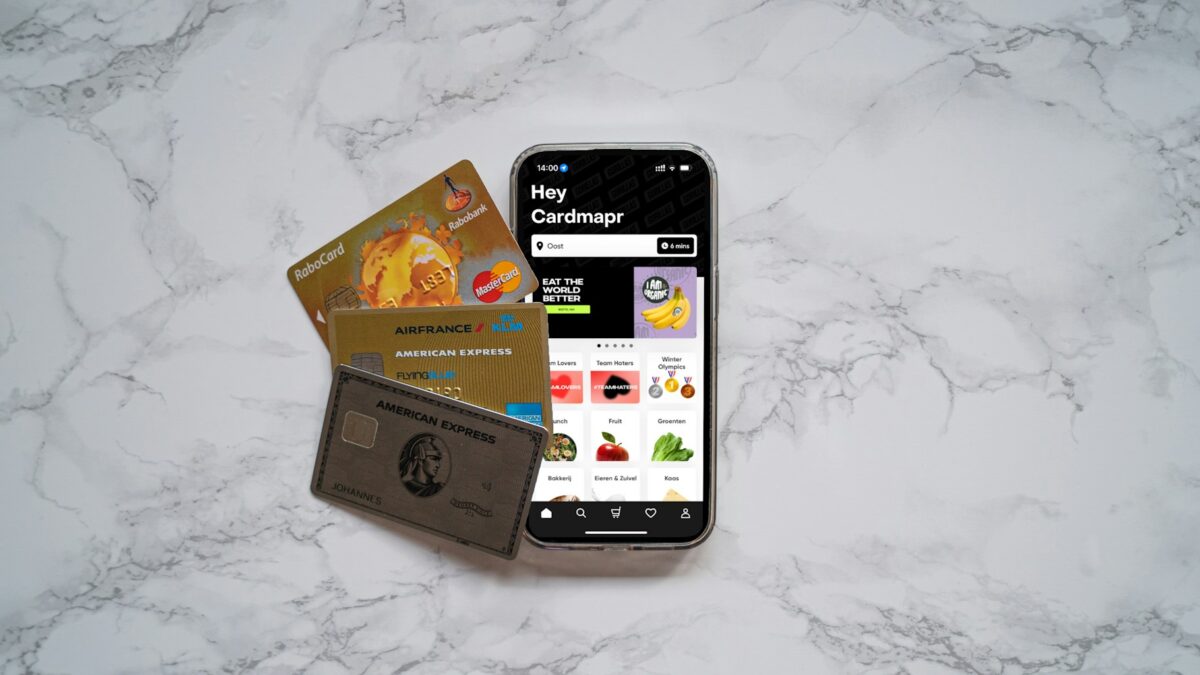
When you join a grocery loyalty program, you provide personal information such as your name, email, phone number, and address. The program then tracks every purchase you make with that card or linked account. This includes the items you buy, the quantities, prices paid, dates, times, and which store location you visited. Over time, the retailer builds what industry sources call a “360-degree customer profile.” This profile reveals your dietary preferences, family size, income level, health concerns, and shopping frequency.
Retailers use this data to segment customers into groups based on purchasing patterns. For example, if your purchase history shows organic and gluten-free products, the store identifies you as a health-conscious shopper and sends you promotions on those items specifically. The data also reveals whether you’re a frequent visitor or occasional shopper, what times you typically visit, and how much you typically spend per trip.
One key point: loyalty program data is first-party data owned by the store. Unlike third-party data brokers, the retailer collects this information directly from your transactions. This gives them insights that are more accurate than demographic guesses. However, this also means the primary purpose of the loyalty program is data collection, not purely customer benefit. Retailers invest in loyalty programs because the customer insights help them reduce waste on promotions that don’t work and increase spending from profitable customer segments.
How Points Convert to Actual Money Savings
Most grocery loyalty programs operate on a points system. You earn points for every dollar spent, though some stores offer bonus points on certain products or during promotional periods. The typical conversion rate ranges across the industry, but generally, you accumulate points that translate into future discounts on your grocery bill.
Here’s where the real mechanics matter: points don’t automatically equal cash back. Instead, when you’ve accumulated enough points, you redeem them at checkout for a discount on your total purchase or on specific items. Some programs show your points balance in their app and let you track exactly how much discount you’ve earned. Others send you a coupon or statement showing your available rewards.
Partner rewards add another layer. Many grocery chains offer fuel discounts through their loyalty programs, where earning points at the grocery store gives you cents-off-per-gallon at affiliated gas stations. These partnerships extend value beyond groceries but require you to shop at that specific grocer consistently to accumulate fuel rewards that provide meaningful savings. The trade-off is that you’re concentrating your spending at one chain to unlock these benefits.
Some programs offer tiered memberships where paid subscribers get faster point accumulation or exclusive deals. Research on major U.S. grocers found that retailers with paid membership programs experienced slower growth than those with free loyalty programs. This suggests paid tiers may not deliver proportional value to the membership cost for average shoppers.
When Personalized Offers Actually Increase Your Spending
Personalized promotions are where loyalty programs show measurable impact on shopper behavior. When a grocery store sends you coupons and deals matching your documented preferences, you tend to buy more. Industry research indicates spending typically increases by 68% when customers join loyalty programs and receive tailored offers based on their shopping history and preferences.
However, that increase comes with a critical trade-off: you’re spending more money overall, not necessarily saving more. The personalized offers are designed to encourage additional purchases, not to reduce your costs. For example, if the store learns you buy premium brands, they’ll send you discounts on those brands to encourage larger basket sizes. The savings are real on those specific items, but you may be purchasing more total groceries than you would have without the personalized promotion.
The effectiveness of personalized offers also depends on omnichannel access. Retailers using three or more shopping channels (in-store, mobile app, website, curbside pickup) see nearly 500% higher engagement than those using a single channel. If your grocery store only offers loyalty benefits at checkout but not through their app or website, you miss targeted offers and lose personalization benefits across your shopping journey.
The Privacy Cost: What Stores Do With Your Data
Your purchase history reveals sensitive information beyond what you buy. It shows your health concerns (diabetes medication purchases, weight loss foods), family composition (diapers, formula, school snacks), and financial situation (premium versus budget items). Retailers use this data to build marketing profiles and predict your future behavior.
The data stays within the store’s ecosystem unless you opt into third-party partnerships. Some loyalty programs allow retailers to share your information with partner brands or use it for targeted advertising outside the grocery store. Always check the privacy policy when enrolling in a loyalty program and review what data sharing options you’re accepting.
One important limitation: the sources reviewed show that millions of customers are excluded from grocery loyalty rewards due to technology barriers. If you don’t have a smartphone or prefer not to use an app, you may miss mobile-exclusive offers. Some retailers offer physical cards as an alternative, but digital-first programs create a two-tier experience where app users get better personalization.
Do Loyalty Programs Actually Make Stores More Competitive?
Despite massive retailer investment in loyalty programs, research shows minimal connection between having a loyalty program and actual revenue growth for major grocery chains. The top 10 U.S. grocers all operate sophisticated loyalty programs, yet there’s no clear pattern where one program drives more growth than another. Instead, loyalty programs have become table stakes that customers expect as baseline service, similar to accepting credit cards.
The average grocery shopper maintains 18 loyalty programs across all retailers and frequents approximately five different grocery store chains. This means even if you’re enrolled in a store’s loyalty program, you’re likely splitting your shopping across competitors. Research found that store location is 3.2 times more important to shoppers than loyalty program quality when choosing where to shop. Convenience and distance outweigh reward benefits for most customers.
What this means for you: don’t choose a grocery store based primarily on its loyalty program. Enroll in the program at stores you already plan to visit, since the rewards are meaningful over time when you’re a regular customer. If you shop at five different chains, joining all five programs captures benefits across your actual shopping patterns rather than forcing visits to concentrate rewards.
Red Flags That a Loyalty Deal Isn’t Real Savings
Watch for loyalty promotions that appear generous but require concentrated spending. Buy-one-get-one offers sound compelling but only deliver savings if you would purchase that item anyway. Fuel rewards that require large grocery purchases to accumulate may push you to increase your bill beyond what you need.
Similarly, exclusive member pricing that changes prices based on membership status complicates comparison shopping. You may see a sale price at checkout that differs from what non-members pay, but this isn’t a better deal if the member price simply reflects the store’s true cost structure and non-member prices are inflated.
The strongest loyalty value comes when personalized offers match items already on your shopping list. Before joining a program, check whether the store’s typical customer base matches your demographics and whether their product selection aligns with your preferences. A program offering excellent dairy discounts to customers who rarely buy dairy won’t benefit you.
 Walmart Activates Shop to Light Feature: What Shoppers Should Know
 Costco Overtakes H-E-B in Customer Satisfaction Rankings: What Shoppers Should Know
 Safeway and Target Lead in Grocery Delivery and Pickup What Shoppers Should Know
 Kroger Uses AI to Predict Ad Performance Before Spending Happens
 Kroger Tests 24 Hour Stores: What Shoppers Need to Know About the Expansion
 Kroger Brings Back 24 Hour Stores What Shoppers Need to Know