
Why Kroger’s Outlook Shifted Lower
Several factors contributed to the downward revision. During the second quarter, which ended August 15, Kroger reported identical-store sales growth of only 0.2% excluding fuel, falling short of what analysts had anticipated. The company’s total sales reached $34.6 billion, up from $33.9 billion in the same quarter last year, but the gains were modest and concentrated in specific areas.
The pharmacy department emerged as a significant headwind. Lower prescription drug pricing, driven largely by the Inflation Reduction Act, created an estimated 140 basis point drag on sales. This federal policy change aimed at reducing drug costs has reshaped pharmacy economics at major retailers. Additionally, a cyclospora outbreak linked to Mexican leaf lettuce hammered the produce department, costing Kroger approximately 35 basis points in sales during the final period of Q2, despite the recall being confined to a specific product.
Consumer spending also faced pressure from elevated gasoline prices, which constrained discretionary purchasing power at the grocery checkout. Kroger has lost billions to rivals in recent years, and these broader economic headwinds are making competitive conditions even tighter.
The Silver Lining: Growth Areas for Shoppers
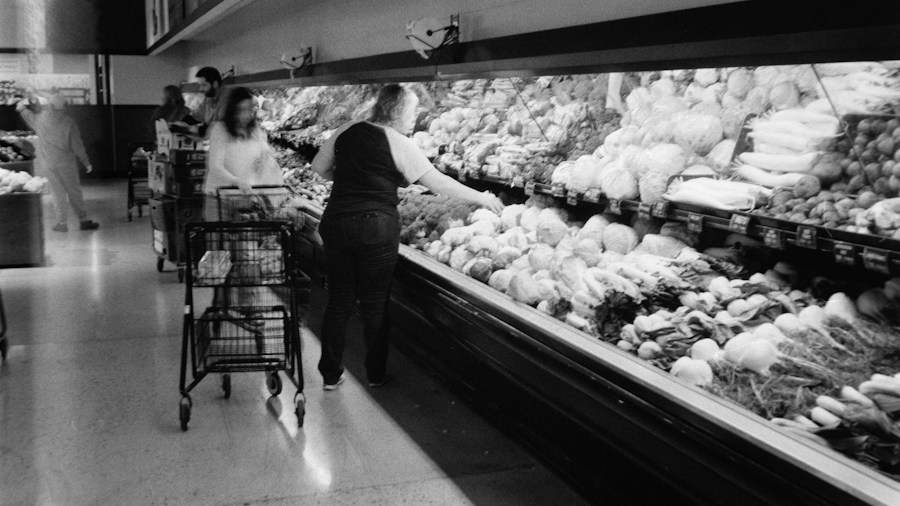
Not every department at Kroger is struggling. Natural foods and prepared meals posted sales growth that substantially outpaced the company’s overall results. During Q2, Kroger introduced more than 600 new natural and organic items, responding to shifting consumer preferences toward cleaner labels and premium options. The company’s Private Selection premium private label line surged 14% in sales, driven by prepared meal offerings such as Mandarin Orange Chicken and Gnocchi Alla Sorrentina.
Ecommerce represents another bright spot. Online sales jumped 20% and achieved profitability for the second consecutive quarter. Customer counts in the digital channel also climbed 20%, fueled by strong engagement during online deal days. CEO Greg Foran emphasized that ecommerce growth will likely drive most industry expansion in coming years, and Kroger is prioritizing fast delivery capabilities to capture that demand.
Kroger’s retail media operations also performed exceptionally well, with revenues up 24% and marking the best quarter since 2021. This growing revenue stream helps offset some of the pressure from slower core sales.
What This Means for Your Wallet
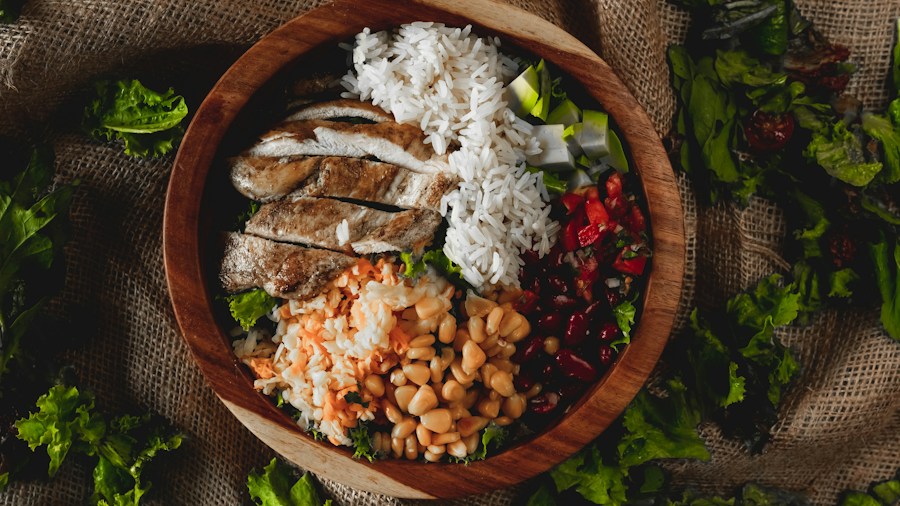
The lower sales outlook may seem like purely corporate news, but it has real implications for shoppers. Retailers facing sales slowdowns often respond by tightening promotions, reducing special deals, or pulling back on markdowns in key categories. Conversely, Kroger has stated that profit guidance remains unchanged, with earnings per share still projected between $5.10 and $5.30. This suggests the company is focusing on cost management and operational efficiency rather than heavy discounting.
The pharmacy pricing pressure is particularly relevant for households that fill prescriptions regularly. While the Inflation Reduction Act aims to benefit consumers through lower drug costs, the impact on pharmacy sales shows that price reductions are real and measurable, even if they come with trade-offs for retailers.
For shoppers seeking value, the strength in natural and organic products plus premium prepared meals indicates where Kroger is investing. If you are willing to explore wellness offerings and premium options, you may find robust selection and marketing support. However, bargain hunters in conventional categories might notice less aggressive promotional activity as Kroger navigates tighter margins.
The Competitive Landscape Tightens
Kroger’s lowered guidance reflects a grocery sector where growth is harder to come by. Consumer spending remains cautious, price competition is intense, and regulatory changes like the Inflation Reduction Act reshape traditional profit pools. The company’s emphasis on ecommerce and retail media revenue suggests a strategic pivot toward channels and services beyond traditional grocery sales.
For consumers, this evolving retail environment underscores the importance of staying informed about where deals are available, monitoring loyalty programs, and being flexible about which chains offer the best value for your shopping priorities.
 Walmart Activates Shop to Light Feature: What Shoppers Should Know
 Walmart Fall Deals Sale: What Shoppers Should Know About Early October Shopping
 Kroger Uses AI to Predict Ad Performance Before Spending Happens
 Consumer Confidence Hits 12 Year Low as Inflation Pressures Shoppers
 Kroger Tests 24 Hour Stores: What Shoppers Need to Know About the Expansion
 Kroger Brings Back 24 Hour Stores What Shoppers Need to Know