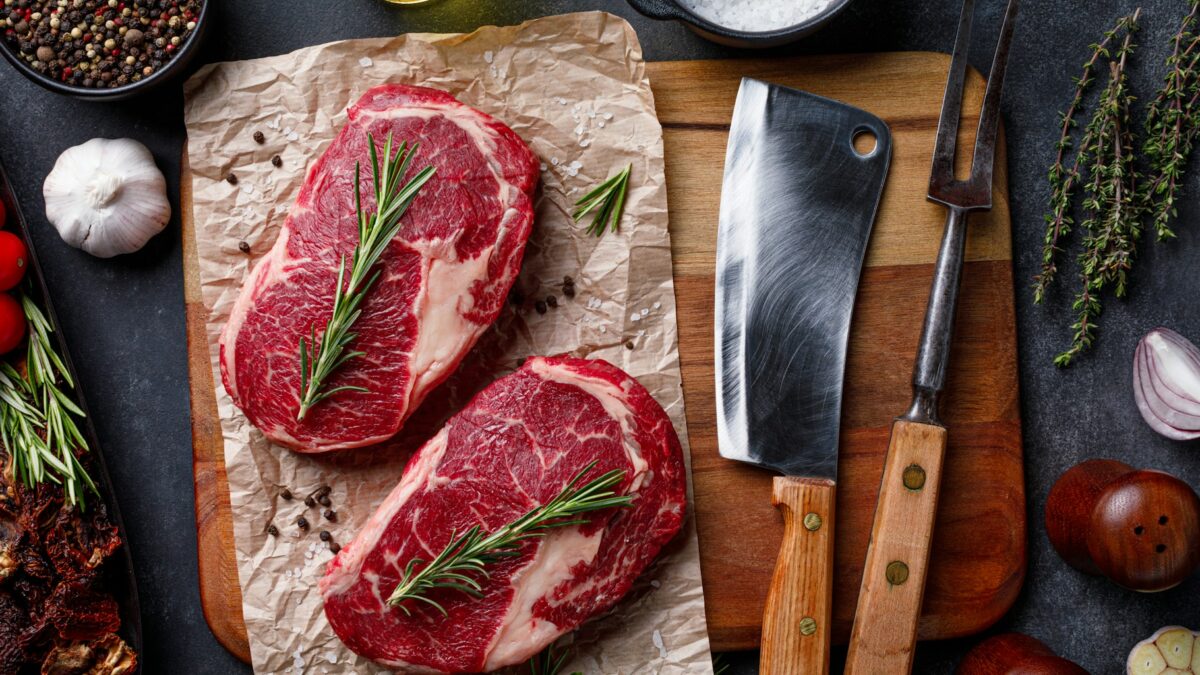
What the Tariff Waiver Means for Your Grocery Bill
Beef prices have climbed significantly in recent years, driven largely by a shrinking domestic cattle supply. The U.S. cattle herd is now at its smallest size since 1951, according to industry data. By allowing affordable ground beef to flood the market, the administration is betting that increased supply will push prices down for consumers. The theory is straightforward: more product competing for your dollars should make your next hamburger purchase less expensive.
The imported beef is expected to undercut domestic prices substantially. With a commitment to sell at 25 percent below current market rates, shoppers could see meaningful savings at the checkout. This matters because recent inflation in the meat aisle has been a persistent consumer complaint, and any relief could be welcome for households managing tight budgets.
The Ranching Industry Pushback
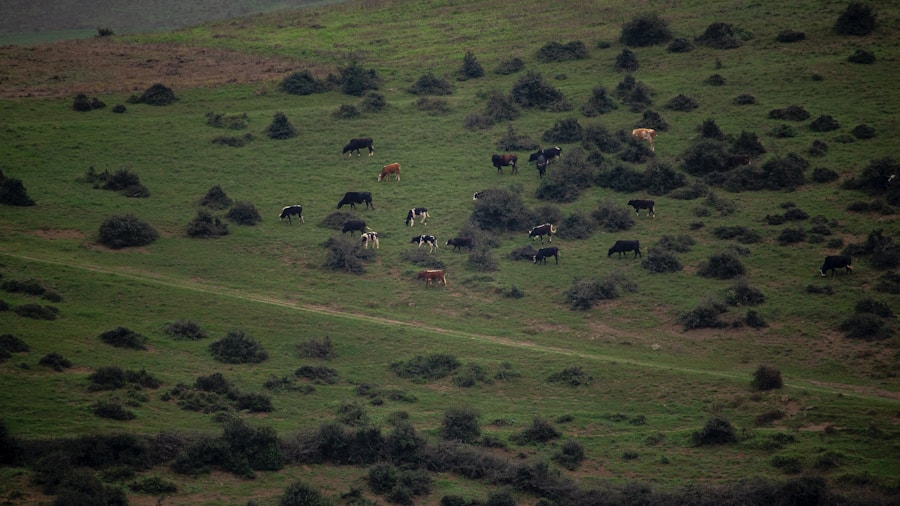
However, the reaction from Republican lawmakers representing agricultural states has been swift and negative. Senators from Nebraska, Montana, Iowa, and South Dakota have all expressed disappointment with the decision, warning that flooding the market with cheaper foreign beef will hurt American ranchers during a critical time for herd rebuilding.
Senator Deb Fischer of Nebraska stated bluntly that while lower grocery prices are desirable, they cannot come at the expense of American producers. Her colleague Pete Ricketts echoed the concern, noting that short-term price cuts do not solve long-term supply problems and that importing lower-quality beef damages Nebraska farmers. Senator Tim Sheehy of Montana pointed out that American cattle herds are already struggling from disease pressures, including a screwworm outbreak detected in the U.S. for the first time in decades.
The National Cattlemen’s Beef Association, a major industry group, also pushed back hard. The group’s CEO warned that government-subsidized below-market imports undermine the prospect of domestic herd expansion and sacrifice long-term stability for short-term political messaging. This reflects broader concerns about whether imports will actually address the root causes of high beef prices or simply delay recovery of the American cattle herd.
What Happens Next
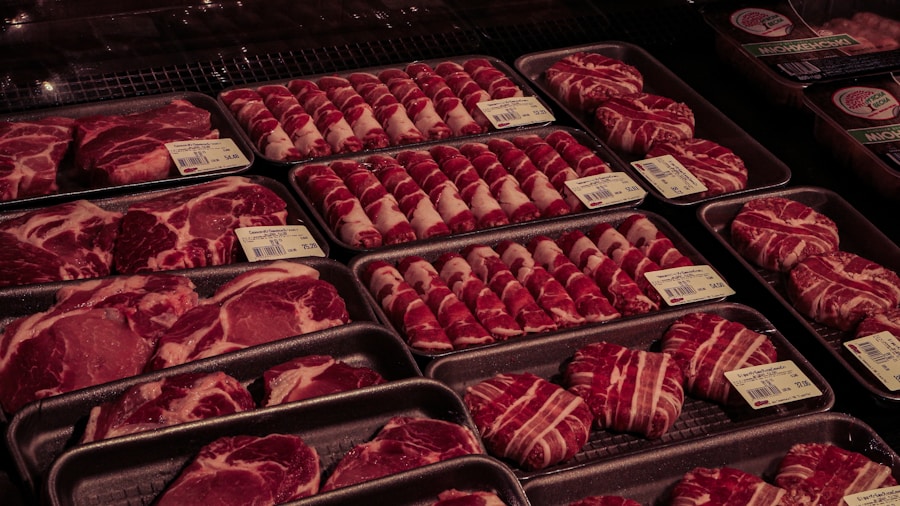
The tariff waiver is temporary, but details remain sparse. The White House has not disclosed which companies agreed to the pricing commitment or which countries would supply the meat. This uncertainty leaves both consumers and ranchers in a wait-and-see position. The beef tariff break could lower your grocery bill immediately, but agricultural experts worry the move ignores structural issues facing the cattle industry.
President Trump has defended the action by emphasizing consumer demand for affordable food and his commitment to ranchers. He acknowledged that the industry needs help but framed the import waiver as necessary medicine to bring prices down. The administration argues that by temporarily alleviating price pressure, ranchers will have breathing room to invest in herd expansion without facing immediate bankruptcy.
The Bigger Picture on Tariffs
This beef decision sits within a larger conversation about tariffs and how they affect consumer prices. Trade policy changes can have ripple effects across the entire supply chain, from production to retail. The debate over beef tariffs reflects a fundamental tension: protecting domestic producers versus delivering affordable goods to American shoppers. Similar trade-offs appear in discussions around other consumer prices in the economy.
For shoppers, the practical takeaway is that your next ground beef purchase might cost less in the near term. Whether this translates to sustained savings or ultimately hurts long-term beef availability remains an open question. The controversy also highlights how government policy decisions ripple through supply chains and affect both your wallet and American farmers.
Keep an eye on grocery prices in the coming weeks and months. If the import commitment is honored, you may see noticeable reductions in ground beef costs. At the same time, watch industry reports on cattle herd recovery to understand whether this short-term relief strategy actually works to rebuild the American beef supply or whether it becomes another example of tariff policy creating unintended consequences.
 U.S. China Tariff Cuts What Shoppers Need to Know
 Tariff Impact on Toy Collectibles: What Collectors and Shoppers Should Know
 U.S. China Trade Truce Extended Through January: What It Means for Your Shopping
 Kroger Takes Stand Against Suppliers: What Shoppers Need to Know
 Kroger Giant Eagle Merger Scrutiny Columbus What Shoppers Should Know
 Kroger Faces Challenges: Weak Quarterly Results and Overcharging Accusations