
The Numbers Behind Walgreens Store Strategy
During August alone, Walgreens closed nine stores while opening only two new ones, resulting in a net loss of seven locations. This shift marks a continuation of the company’s broader strategy to reduce its physical store count across the United States. The closures come as the company reassesses its retail operations and responds to changing consumer shopping habits and market pressures.
For context, the contrast with competitors could not be starker. Target opened 11 new stores during the same month, demonstrating the divergent paths these retailers are taking. While Target invests in expansion, Walgreens appears to be streamlining its operations by consolidating its presence in select markets.
What This Means for Shoppers
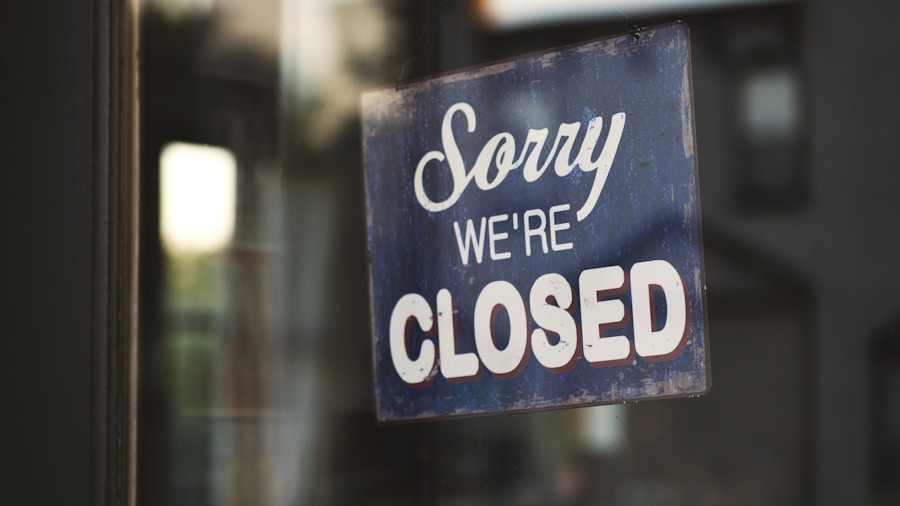
Store closures raise important questions for regular Walgreens customers about convenience and access. If you frequently visit a Walgreens location for pharmacy services, beauty products, or household essentials, these closures could impact your shopping routine. You may need to find alternative locations or consider switching to nearby competitors.
The acceleration of store closure patterns suggests that Walgreens is prioritizing profitability over expansion. The company appears focused on maintaining locations in high-performing markets while exiting areas where foot traffic or sales may not justify keeping the store open. This is a common retail strategy during uncertain economic times, but it can leave shoppers in affected areas with fewer convenient options.
Understanding the Bigger Picture
Walgreens is not alone in facing challenges in traditional retail pharmacy. The company has been adapting to competition from online pharmacies, Amazon’s growing presence in healthcare, and changing consumer preferences around where and how they shop for health and wellness products. Store closures are one way the company is managing these headwinds while adjusting to lower customer traffic.
The pharmacy industry continues to evolve rapidly. Concerns about retail labor pressures and operational costs have also prompted many chains to reevaluate their store portfolios. Walgreens closing nine stores in a single month indicates the company is making bold decisions about which locations to maintain going forward.
How to Stay Informed About Changes

If you are a loyal Walgreens customer, staying aware of store changes in your area is important. Many retailers now provide store locator tools on their websites that show current locations and hours. Checking these resources periodically can help you plan ahead if your nearest store closes.
Additionally, subscribing to pharmacy or retail news updates can keep you informed about major retail shifts that may affect your shopping habits. Understanding broader retail trends helps you adapt your shopping strategy before changes happen in your neighborhood.
Looking Ahead for Walgreens
The company’s strategy of closing underperforming stores may ultimately strengthen its remaining locations by concentrating resources where demand is highest. However, this approach creates gaps in service areas where Walgreens previously operated. Customers in rural or less densely populated areas may face particular challenges if their local store closes.
As pharmacy and retail consolidation continues across the industry, shoppers should be proactive about finding alternative providers if their preferred location shuts down. Whether you switch to another Walgreens location, explore competitors like CVS or Rite Aid, or embrace digital pharmacy options, having a backup plan ensures you maintain consistent access to essential health and wellness services.
The retail landscape is shifting rapidly, and consumer choices increasingly influence which stores survive and thrive. Staying informed about store openings and closings in your area empowers you to make the best decisions for your household’s shopping needs.
 Amazon Delivery Contractors Closing in Los Angeles: What Shoppers Need to Know
 Costco Emerges as Major Grocery Threat to Traditional Retailers What Shoppers Should Know
 Safeway and Target Lead in Grocery Delivery and Pickup What Shoppers Should Know
 Walmart Fall Deals Sale: What Shoppers Should Know About Early October Shopping
 Amazon Prime Settlement Expanded: Eligible Shoppers Can Receive Up to $200
 Kroger Brings Back 24 Hour Stores What Shoppers Need to Know