Why the Investigation Started
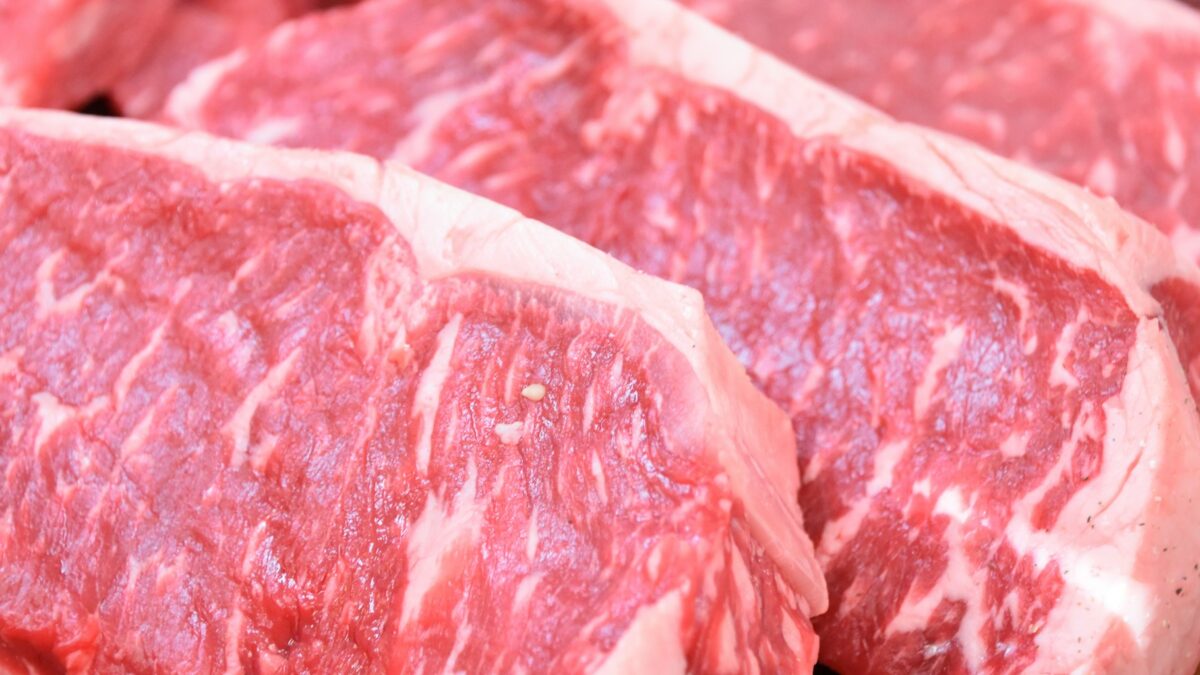
President Trump has publicly criticized meatpacking companies for what he believes are price manipulation and collusion tactics designed to inflate meat and poultry costs for consumers. According to the Bureau of Labor Statistics, beef prices have climbed 5.4% over the past year, putting pressure on household budgets nationwide.
The investigation targets both the retailers selling the beef and the massive processors controlling supply. Four companies, Tyson Foods, JBS, Cargill, and National Beef, control approximately 85% of the U.S. beef market, which gives them enormous pricing power over what appears on grocery store shelves.
Government Actions to Address High Prices
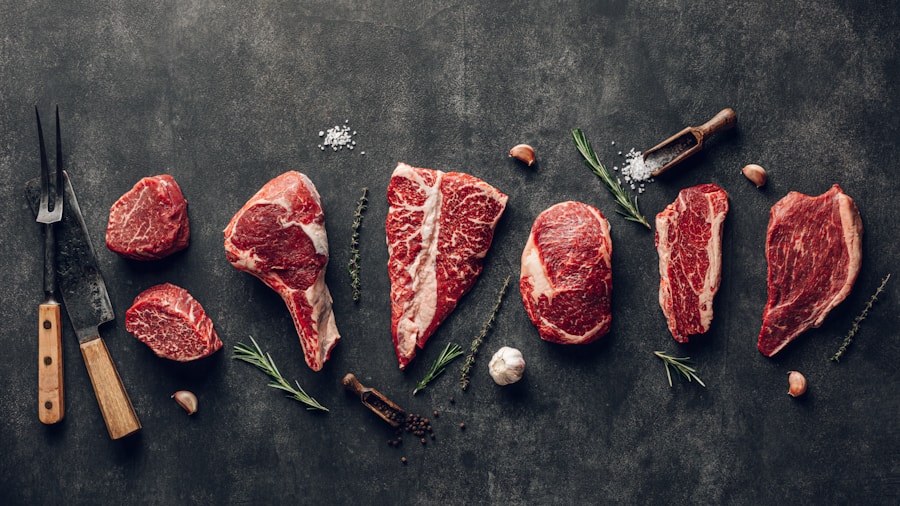
In response to rising meat costs, the Trump administration announced a temporary tariff waiver on imported beef. The proposal allows importers to bring in 300,000 metric tons of beef for grinding at 25% below current market prices over a 90-day period. This action came after the United States imported 5.5 billion pounds of foreign beef last year, representing an 18% increase from 2024 and the highest import share in more than five decades.
However, the agricultural industry has pushed back strongly against this approach. The National Cattlemen’s Beef Association criticized the plan, arguing that flooding the market with government-subsidized below-market beef undermines long-term stability for domestic cattle producers and herd rebuilding efforts.
Congressional Legislation in the Works
Senator Chuck Schumer has been advancing legislation designed to reduce grocery prices more broadly. His proposal specifically targets the four dominant meatpacking companies and would require them to choose a single line of business instead of controlling beef, pork, and chicken segments simultaneously. The measure also includes financial and technical assistance for farmers’ cooperatives and smaller businesses attempting to compete in concentrated markets. Additionally, the Federal Trade Commission would gain expanded authority to pursue foreign-controlled conglomerates that harm American producers.
Recent Legal Settlement
Tyson Foods, one of the largest meatpackers, has already agreed to pay $82.5 million to settle a class-action lawsuit. The company faced accusations of conspiring to reduce beef supply to artificially inflate prices, a sign that regulators and injured parties are taking coordinated action against industry practices.
What This Means for Your Grocery Bill

The DOJ investigation signals heightened scrutiny of how major Walmart grocery chains and other large retailers determine beef pricing. Shoppers may eventually benefit if the investigation uncovers evidence of anticompetitive behavior or coordinated pricing. Conversely, if the temporary imported beef tariff waiver achieves its goal, domestic beef prices could face downward pressure in the short term, though this may not address structural issues in the industry.
The concentration of market power among a handful of processors remains a core concern. When four companies control such a large percentage of production, they have significant ability to influence prices regardless of what individual retailers do. This is why congressional proposals focus on breaking up vertical integration and creating opportunities for smaller competitors.
What Happens Next
The DOJ investigation will take time to unfold, and results may not be immediate. Shoppers should expect continued debate about tariffs, Walmart supply chain transparency, and potential antitrust action against meatpacking giants. In the meantime, staying informed about beef pricing trends and exploring sales at different retailers remains a practical strategy for reducing your meat costs at checkout.
The combination of investigations, legislative proposals, and industry settlements suggests that both government and the business community recognize the beef pricing problem as urgent. Whether these actions will lead to meaningful relief for American consumers remains to be seen, but the increased attention and multiple pressure points offer some hope for improvement.
 Amazon Delivery Contractors Closing in Los Angeles: What Shoppers Need to Know
 Aldi Faces Lawsuit Over SNAP Delivery Fees: What Shoppers Need to Know
 Costco Emerges as Major Grocery Threat to Traditional Retailers What Shoppers Should Know
 Walmart Activates Shop to Light Feature: What Shoppers Should Know
 Costco Overtakes H-E-B in Customer Satisfaction Rankings: What Shoppers Should Know
 Walmart Fall Deals Sale: What Shoppers Should Know About Early October Shopping