
The New Reality of iPhone Pricing
The latest generation of Apple’s premium phones now commands steep prices that make upgrading difficult for budget-conscious buyers. A maxed-out Pro model with full storage can exceed $1,000 even after trading in an older device. This reality has prompted consumers to explore alternatives they might have dismissed just a few years ago.
Consider the math: upgrading from a three-year-old Pro Max to the newest equivalent could cost over $500 after trade-in credit. That same trade-in value, however, makes switching to a base model substantially cheaper, often saving $400 to $600. For many households already feeling stretched by rising prices across categories, that difference matters.
Base Models Close the Feature Gap
The calculus changes when you examine what today’s standard iPhones actually offer. Modern base models now include features that were exclusive to Pro versions just a few years ago. High-refresh-rate displays, advanced processors, and improved battery technology are no longer premium-only perks.
Screen size is one area where differences shrink. A standard model’s 6.3-inch display leaves minimal usability gap compared to a Pro Max’s 6.7 inches, especially when bezels are razor-thin. Both deliver vibrant colors and excellent brightness levels. Performance chips in base models handle everyday tasks, content creation, and gaming without lag. Price increases across consumer tech have actually made this value proposition stronger by comparison.
Where Pro Features Matter Less Than You Think
The primary reason shoppers traditionally bought Pro models was access to specialized cameras and lenses. Yet in practice, many users rely on these tools rarely. Most photography happens through primary wide and standard lenses in everyday scenarios like social media posts, work documentation, and casual video recording.
Telephoto lenses, often the headline feature, get used mainly at specific events or in niche situations. For the majority of consumers, the dual-lens system on base models proves sufficient and actually includes newer computational photography features.
Front-facing cameras have also improved dramatically. Enhanced stabilization, better zoom control, and dual-recording capabilities make video calls and self-recording more enjoyable than older Pro versions. These improvements represent real usability gains even without the premium label.
Battery and Performance Gains Surprise Users
Shoppers often overlook how much processor improvements benefit everyday experience. Newer base-model chips outperform older Pro processors by wide margins, making phones feel snappier and more responsive. Apps launch faster, multitasking runs smoother, and battery efficiency has reached levels that allow all-day or even two-day usage on single charges.
This matters because phone aging is a genuine problem. Degraded batteries and aging components create frustration that often feels worse than specs on paper suggest. A fresh base model, despite slightly less storage or a smaller screen, often delivers a more satisfying user experience than holding onto an older Pro phone limping through its fourth year.
What Shoppers Should Know Before Upgrading
As price increases reshape consumer choices, rethinking your upgrade strategy makes sense. Before automatically jumping to the premium tier, honestly assess what you actually use your phone for daily. Most people discover that base models handle their real-world needs better than Pro specs suggest.
Trade-in programs have become more generous for older devices, making the jump to current-generation base models financially reasonable. This creates a unique opportunity: you can upgrade to newer technology and save money simultaneously, rather than the traditional upgrade pattern where paying more equals having more.
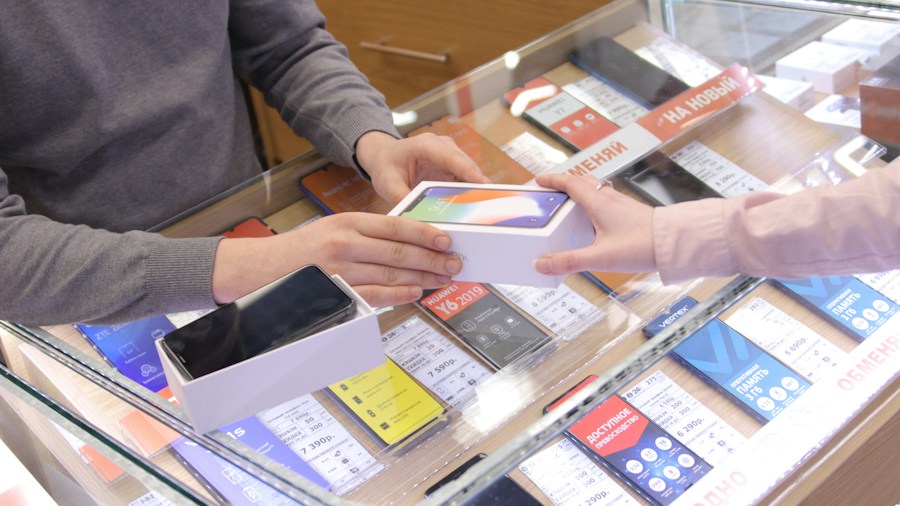
Store display comparisons often skew toward Pro models with larger screens and shinier specs. Spend time with both tiers in hand to understand the actual differences. Many buyers who thought screen size and premium features mattered discover that in real daily use, those factors rank lower than processor speed and battery reliability.
The smartphone market has democratized capability. Base models are genuinely powerful computers now. Price increases at the premium end have made this value gap wider than ever, turning what feels like downgrading into a smart financial decision that doesn’t sacrifice actual usability.
 Kroger Uses AI to Predict Ad Performance Before Spending Happens
 Costco Q4 Sales Surge: What Shoppers Should Know
 Kroger Price Cuts What Shoppers Need to Know
 Grocery Loyalty Programs Get Major Overhaul: What Shoppers Should Know
 Aldi Marks 50 Years in America with Major Expansion Plans
 Walmart and Target Transform Grocery Strategy: What Shoppers Should Know