During the company’s earnings call, CEO Greg Foran highlighted that customers are demonstrating strong demand for “anything that answers a customer’s question around value.” This trend reflects broader economic pressures on American households, where shoppers are becoming increasingly selective about their purchases and seeking ways to reduce their grocery bills without sacrificing quality or selection.
Private Label Penetration Reaches New Heights
Kroger’s private label penetration increased by approximately half a percentage point during the quarter, a notable achievement in a competitive grocery market. The company’s Private Selection line, which was expanded earlier this year with fresh and frozen meal options, delivered particularly strong results. Private Selection sales climbed more than 14 percent during the second quarter, driven largely by demand for ready-to-heat and ready-to-eat meals that appeal to time-pressed consumers.
Third-party data confirms Kroger’s success in this category. According to market analysis firm Numerator, Kroger’s private label sales in produce, meat, seafood, deli, prepared foods, and in-store bakery categories increased by approximately 420 million dollars over the twelve-month period ending July 31. This substantial gain demonstrates that shoppers across multiple food categories are choosing store brands as a way to stretch their budgets further.
Natural and Organic Products Gain Momentum
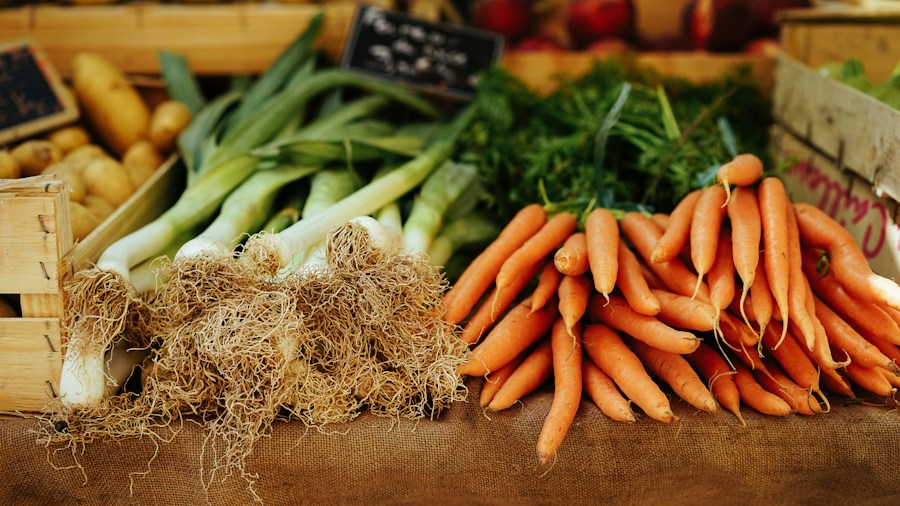
Beyond traditional private label offerings, Foran noted that shoppers showed robust interest in health-focused and organic products during the quarter. Kroger responded by adding over 600 natural and organic items to its store assortment, signaling that value-conscious consumers are not willing to sacrifice health considerations for lower prices. This dual demand represents an opportunity for retailers that can balance affordability with quality and nutrition.
The growth in private label brands aligns with Kroger’s broader strategy to position itself as the customer’s advocate in the marketplace. Foran emphasized that the company takes a disciplined approach to supplier negotiations, pushing back against unjustified price increases and refusing to accept automatic markups.
Kroger’s Stance on Supplier Pricing
“Our job is to be the customer’s agent,” Foran stated during the earnings call. He explained that while Kroger is open to reasonable price increases that make business sense, the company will not tolerate suppliers simply raising prices without proper justification. This aggressive negotiation stance helps Kroger maintain competitive pricing and protect its relationship with shoppers who are watching their spending carefully.
This commitment to value is particularly important given current headwinds facing the grocery industry. Kroger’s identical store sales grew by only a fraction of a percentage point during the second quarter, held back by factors including shopper concerns about produce safety following a cyclospora outbreak. The contamination concerns demonstrate how external factors can quickly undermine sales in the produce department, one of the highest-traffic areas of any supermarket.
Foran made clear that he does not intend to rely on inflation as a driver of sales growth. Instead, he expressed confidence that Kroger can generate strong comparable sales by delivering genuine value that shoppers can trust. This philosophy represents a significant departure from the inflation-driven sales growth that many retailers experienced in previous years.
What This Means for Shoppers
For consumers, Kroger’s focus on private label growth and value-oriented strategy offers several tangible benefits. First, expanded private label selections mean more affordable options across departments without requiring shoppers to sacrifice quality or nutrition. Second, Kroger’s willingness to push back against supplier price increases helps keep the overall cost of groceries down. Third, the addition of hundreds of natural and organic items expands the menu of healthier choices available at competitive prices.
The trajectory of Kroger’s private label business suggests that the company recognizes an enduring shift in consumer priorities. Rather than viewing the focus on value as temporary, Kroger is investing in expanded private label lines and organic offerings that appeal to shoppers’ long-term concerns about affordability and health. As economic uncertainty persists, retailers like Kroger that successfully balance value with quality will likely continue winning customer loyalty in an increasingly competitive market.
 Walmart Activates Shop to Light Feature: What Shoppers Should Know
 Walmart Fall Deals Sale: What Shoppers Should Know About Early October Shopping
 Kroger Uses AI to Predict Ad Performance Before Spending Happens
 Consumer Confidence Hits 12 Year Low as Inflation Pressures Shoppers
 Kroger Tests 24 Hour Stores: What Shoppers Need to Know About the Expansion
 Kroger Brings Back 24 Hour Stores What Shoppers Need to Know