What Happened
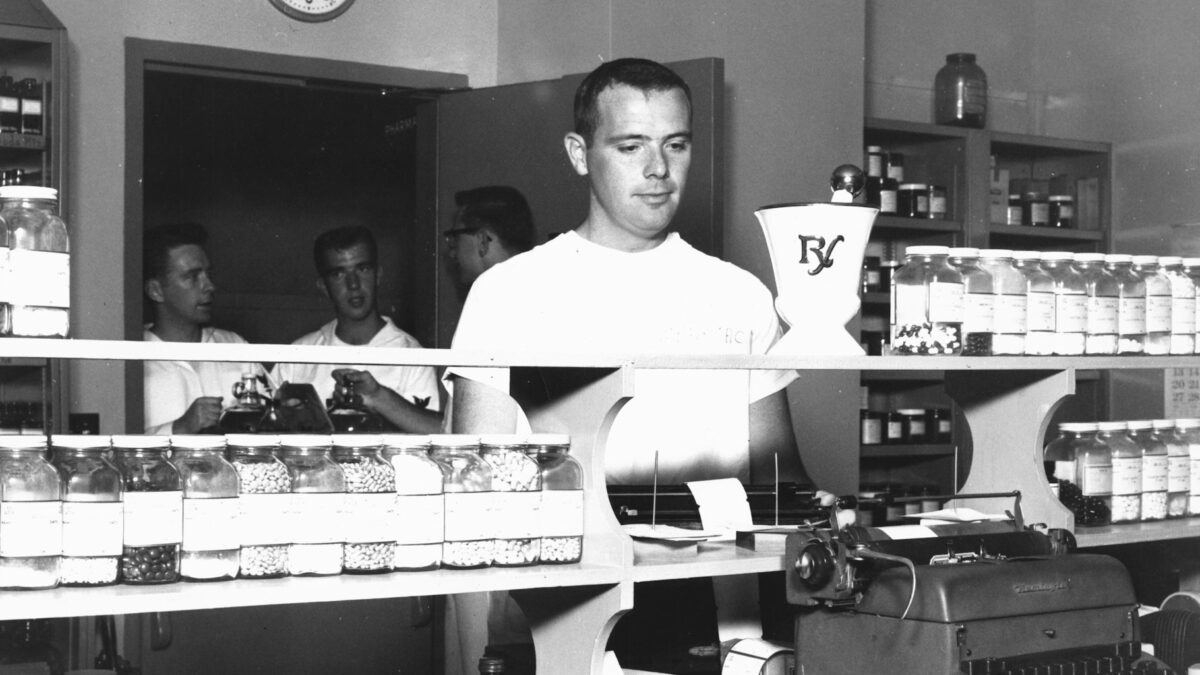
The lawsuit centered on accusations that Kroger submitted artificially inflated prices to insurance providers when processing prescription claims. According to court documents, the plaintiff Judy Kirkbride claimed that Kroger should have used prices matching its Rx Savings Club or Health Savings Club membership discounts when calculating the amounts submitted to insurers for generic drugs.
Kirkbride’s own prescription experience illustrates the impact. When she filled two prescriptions at a Kroger pharmacy in 2020, her insurance copay came to $56.28. However, if Kroger had applied the savings club pricing that was available, her total should have been $51.82, a difference of more than $4 per visit. Multiplied across thousands of customers over years, these overcharges added up significantly.
Kroger stated in court documents that it did not engage in wrongdoing and that it correctly listed retail prices as its standard and customary pricing when submitting insurance claims. Despite this position, the company chose to settle rather than proceed to trial.
Who Is Eligible for Compensation
Customers who purchased generic prescription medications through Kroger using third-party insurance coverage are eligible to file a claim. The qualifying time period runs from December 9, 2018, through August 23, 2026. If you filled prescriptions during this window and paid copays through an insurance plan, you may be entitled to compensation from the settlement fund.
The U.S. District Court in Columbus is scheduled to hear and approve the settlement terms on January 11. Once approved, eligible shoppers will have a period to submit claims demonstrating their purchases and copay amounts.
Implications for Pharmacy Shoppers
This settlement underscores the importance of checking prescription pricing before completing your purchase. Many grocery store pharmacies, including Kroger locations, offer membership programs like Rx Savings Clubs that can significantly reduce out-of-pocket costs compared to insurance copays. The lawsuit highlighted that these discounts should be transparently applied across all payment methods.
The incident also points to a larger conversation about how prescription pricing works in the United States. When insurance companies process claims, the prices pharmacy chains submit can directly affect patient copays. Transparency in this process protects consumers from unexpected or inflated charges.
For current Kroger pharmacy customers, this settlement serves as a reminder to compare your copay amounts with cash prices or membership discount pricing. In some cases, paying without insurance or using a discount program may result in lower out-of-pocket costs. Always ask your pharmacist for pricing options before finalizing your purchase.
Kroger’s Recent Settlement History

This $17 million settlement is not the first legal agreement Kroger has reached recently. In April 2024, prescription delivery services expanded when Kroger partnered with Instacart, reflecting the company’s evolution in pharmacy operations. Additionally, the company settled a $100 million agreement with the Department of Justice over alleged Clean Air Act violations related to refrigeration equipment in stores. These settlements suggest ongoing scrutiny of the retailer’s operational and pricing practices.
What This Means Going Forward
Regulatory and legal pressures on Kroger’s business operations continue to mount. Settlements of this size influence how major retailers approach pricing transparency and customer disclosure. Other pharmacy chains may face similar scrutiny, potentially leading to broader industry changes in how prescription pricing is communicated to patients.
For shoppers, staying informed about your pharmacy options remains essential. Whether you shop at Kroger or elsewhere, always verify that you are receiving available discounts and that prices submitted to your insurance reflect the best rate the pharmacy offers. If you filled prescriptions at Kroger during the settlement period, review your prescription records and consider filing a claim when the process opens to recover any overcharges you may have paid.
 Walmart Activates Shop to Light Feature: What Shoppers Should Know
 Kroger Uses AI to Predict Ad Performance Before Spending Happens
 Kroger Tests 24 Hour Stores: What Shoppers Need to Know About the Expansion
 Kroger Brings Back 24 Hour Stores What Shoppers Need to Know
 Kroger Embraces AI to Bridge Digital and In-Store Shopping: What It Means for Customers
 Kroger Takes Stand Against Suppliers: What Shoppers Need to Know