
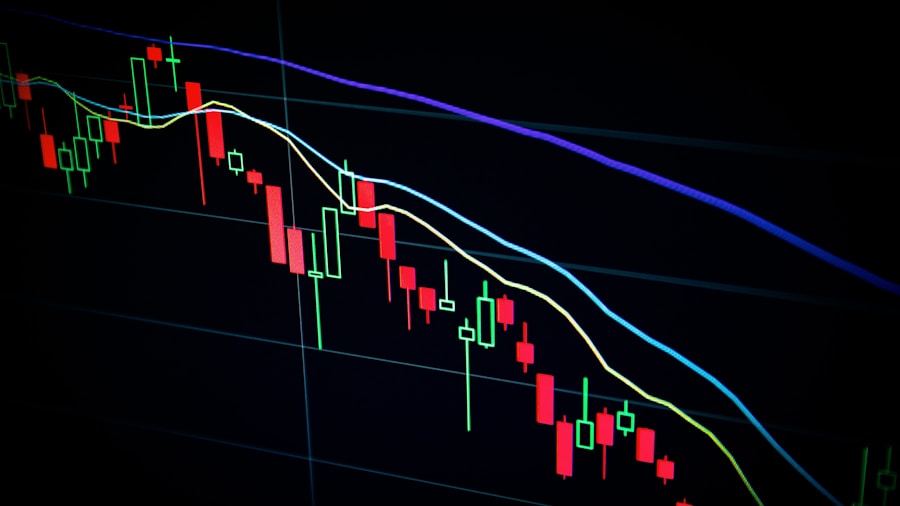
The root cause of climbing mortgage rates ties directly to growing inflation concerns. Rising energy prices and expanding U.S. government debt have triggered a global bond market sell-off, forcing up borrowing costs across the board. Mortgage rates track closely with the 10-year Treasury yield, which has jumped from 4.08 percent to 4.77 percent over the last six months. Investors are demanding higher returns to offset the risk they perceive in long-term bonds, and those demands ripple directly into higher monthly payments for homebuyers.
Mark Zandi, chief economist at Moody’s Analytics, told reporters that the nation is essentially already at the 7 percent threshold and rates could easily climb higher. “It’s a very fragile time in the bond market, not just in the U.S. but globally,” Zandi said, noting that nervous bond investors could push rates even further upward.
What is driving this pressure on mortgage rates? Inflation remains stubbornly elevated well above the Federal Reserve’s 2 percent annual target. As a result, traders now anticipate the central bank will raise its benchmark interest rate for the first time since July 2023. The Labor Department’s Consumer Price Index report for August will serve as a critical data point in determining whether that increase happens, making this a pivotal moment for financial markets and homebuyers alike.
What This Means for Home Shoppers
The rising rate environment creates a painful squeeze for prospective buyers. A half-percentage-point increase in mortgage rates can add thousands of dollars to the total cost of a home loan over 30 years. Many borrowers shopping for quotes are already seeing rates north of 7 percent, according to lending experts. Kate Wood, a lending specialist at NerdWallet, noted that roughly half of the sample quotes she reviewed from major lenders have already crossed that threshold.
The climb in mortgage costs stems from inflation pressure that continues to reshape consumer finances. Higher rates are expected to stay elevated for an extended period. Jake Krimmel, senior economist at Realtor.com, stated that while the market may not reach exactly 7 percent everywhere, “things are going to go up sooner than they’re going to go down.” This suggests homebuyers should prepare for a prolonged period of expensive borrowing.
“The housing market is going to remain under a glacier until rates come back in, which could be a while,” Zandi said, painting a bleak picture for an already challenged market.
Finding the Silver Lining
Despite the headwind of higher monthly payments, the rising rate environment may inadvertently create one advantage for serious buyers. Wood pointed out that elevated mortgage costs discourage many potential competitors from entering the market. With fewer buyers actively shopping, home sellers may face reduced demand, potentially creating negotiating room on purchase prices. “It’s not helping you money-wise with the interest rate, but it might actually be helping you money-wise on the home price because there is going to be substantially less competition,” Wood explained.
This dynamic stands in sharp contrast to the pandemic-era market, when historically low rates fueled bidding wars and rapid price appreciation. Fewer active buyers means less urgency to overpay and more opportunity to find value.
What Buyers Should Do Now
Shoppers facing the housing market today should lock in mortgage rates before inflation pushes them higher still. Even small improvements in credit scores or down payment size can reduce the rate offered by lenders. Shopping quotes from multiple lenders remains essential, as rates vary based on individual financial profiles and loan terms.
For those not yet ready to buy, the current environment underscores the importance of financial preparation. Building savings and improving creditworthiness now positions buyers to move quickly if rates eventually decline. Monitoring economic data releases, particularly inflation reports, can help shoppers anticipate when the rate environment might shift.
The broader message is clear: inflation’s grip on borrowing costs shows no sign of loosening soon. Homebuyers who understand the forces driving higher rates and act strategically can still find opportunities in a challenging market.
 Inflation Surges Again: What Rising Prices Mean for Your Wallet
 Treasury Yields Hit 19 Year High: What Rising Interest Rates Mean for Your Wallet
 Bond Market Warning: What Surging Interest Rates and Inflation Mean for Your Wallet
 Federal Reserve Signals Modest Rate Increases Ahead to Combat Inflation
 Inflation Pushes More US Households Into Financial Vulnerability: What Shoppers Should Know
 Federal Reserve Rate Hike Coming: What It Means for Your Wallet