Savings Tips
Practical ways to spend less at US stores. How to time a purchase, when a price adjustment is worth claiming, and the store rules most shoppers never think to use.
-
Is Black Friday Actually Cheaper?
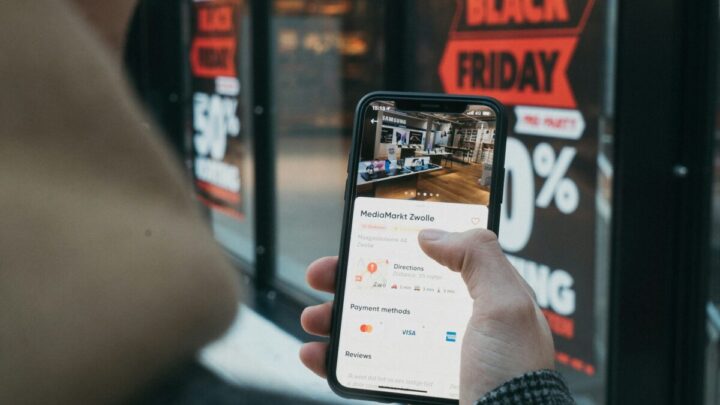
Research shows most Black Friday deals were cheaper or the same price at other times of the year. Learn which categories genuinely hit yearly lows, which are inflated, and how to verify prices before you buy.
-
How to Lower Your Electric Bill: What Actually Moves the Needle
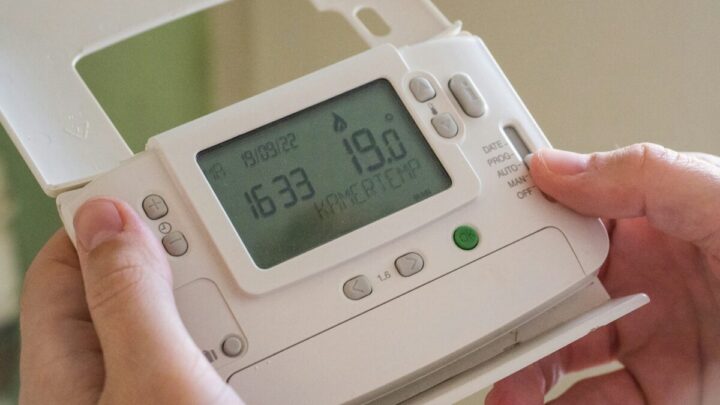
Your electric bill is driven by a few major factors: how you heat and cool your home, whether you're on the right rate plan for your usage pattern, and whether you can shift peak energy use to cheaper hours. Other popular tips matter far less.
-
Is a Sam’s Club Membership Worth It?
A Sam's Club membership costs $60 for Club or $120 for Plus annually. Whether it pays for itself depends on what you buy and how much storage space you have. Data shows Sam's Club beats Walmart on most grocery and household items, especially bulk staples like paper goods, cheese, butter, and meat, though fresh milk and some proteins are cheaper at Walmart.
-
When to Start Holiday Shopping to Save Money: A Month-by-Month Guide
Beginning holiday shopping in October rather than waiting for Black Friday can unlock early deals and help you avoid last-minute price hikes. Learn what to buy each month and when the savings stop.
-
The Best Time of Year to Buy Furniture
The furniture industry operates on a predictable schedule tied to trade shows and seasonal inventory shifts. The best times to buy are when retailers need to clear floor space for new collections, which typically happens in January, February, July, and August, and around major holidays like Presidents Day, Memorial Day, Labor Day, and Black Friday.
-
How to Spot Shrinkflation on the Shelf
Shrinkflation occurs when companies reduce product size or quantity while keeping prices the same. About 71% of Americans have noticed it, especially in snacks, candy, cereal, paper products, and household goods. You can spot it by checking packaging redesigns, comparing price-per-unit labels, and tracking net weights of products you buy regularly.
-
How to Cut Your Subscription Costs
Subscriptions are designed to fade into the background, making them easy to overlook and overpay for. A simple audit of your bank statements can reveal hundreds of dollars in forgotten charges, redundant services, and subscriptions you barely use. Here's how to spot them, consolidate what matters, and keep more money in your pocket.
-
How Grocery Loyalty Programs Actually Work: What Gets Tracked and What You Really Save
Grocery loyalty programs track your purchases to build detailed customer profiles, offer points that convert to future discounts, and use your data to send personalized offers. The real savings vary: some members see spending increases of up to 68% from targeted promotions, but research shows loyalty programs alone rarely drive significant growth for major retailers. Your location matters 3.2 times more than whether a store has a loyalty program.
-
Are Store Brands Actually Cheaper? A Complete Price and Quality Breakdown
Store brands cost about 25 percent less on average than name brands, according to industry experts. In blind taste tests, trained evaluators found store brands performed as well as name brands in most cases, though the savings vary by product category from just 5 percent to as much as 60 percent.
-
How to Check a Price History Before You Buy
Price history tools let you see whether a deal is real or inflated. Learn which free tools work best for Amazon, multi-store shopping, and price alerts.