Savings Tips
Practical ways to spend less at US stores. How to time a purchase, when a price adjustment is worth claiming, and the store rules most shoppers never think to use.
-
What to Do When a Store Refuses Your Return
When a store denies your return, you have options. Know your rights, escalate systematically, and understand when a credit card chargeback becomes your best tool.
-
How to Use Unit Pricing to Spot a Real Deal
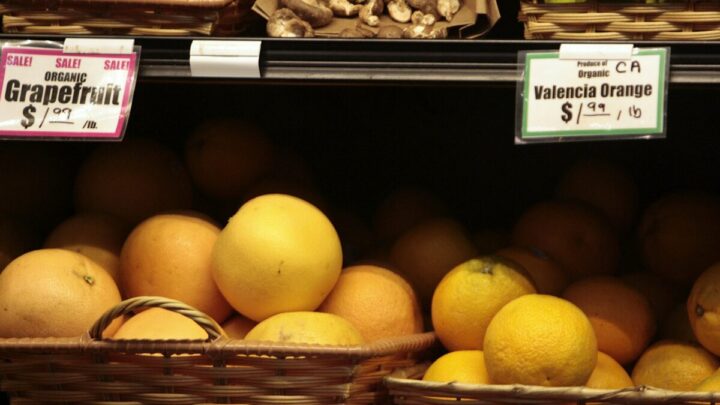
Unit pricing lets you compare the true cost of products by calculating price per unit of measurement. Most grocery store shelf labels show the price per ounce, but you still need to watch for packaging tricks and ingredient quality differences.
-
How to Save Money on Groceries: 9 Concrete Tactics That Cut Your Weekly Bill
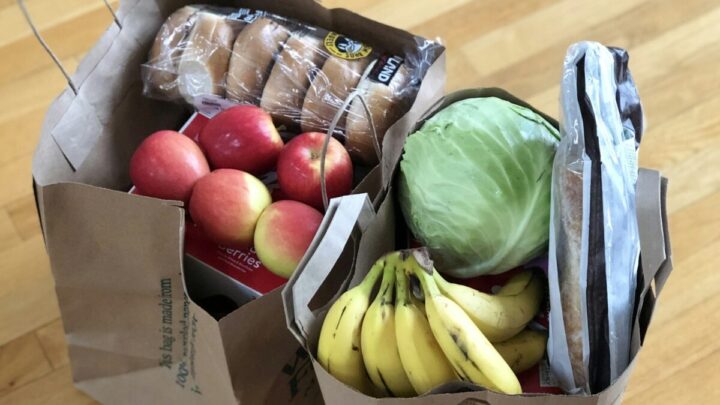
Grocery bills don't have to drain your budget. By mastering unit pricing, switching to store brands where quality matches, using loyalty programs strategically, timing your shopping trips, and avoiding impulse purchases, you can cut your weekly spending without sacrificing nutrition or taste.
-
Is Amazon Prime Worth It?
Amazon Prime costs $139 per year or $14.99 monthly, delivering free two-day shipping plus video streaming, music, photo storage, and exclusive deals. Whether it pays for itself depends on how often you shop online and use the entertainment features, not just shipping speed.
-
The Best Time to Buy Appliances
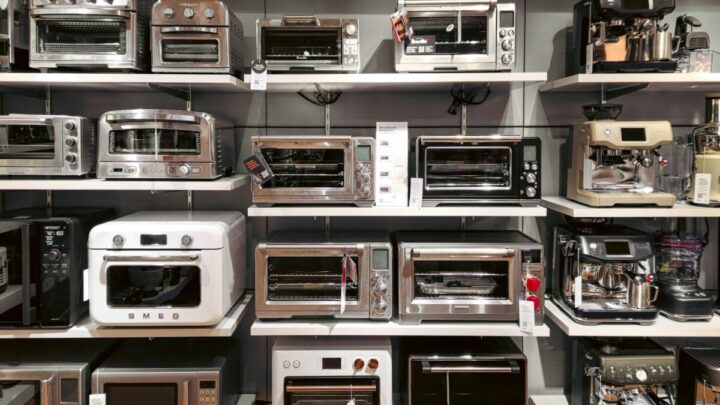
Appliance prices follow predictable patterns tied to holiday sales and when manufacturers release new models. November typically offers the lowest prices, while major holidays like Memorial Day, Labor Day, and Black Friday provide additional discounts. For maximum savings, consider scratch-and-dent models and bundle purchases.
-
How to Lower Your Internet Bill: Negotiation Scripts, Timing, and When to Switch
You can cut your internet bill by $10 to $40 per month through negotiation, but timing matters. Call when promotions expire, research competitor pricing first, and know when switching costs less than negotiating.
-
When Buying in Bulk Actually Saves Money
Bulk buying can save 27% on average across common products, but waste is a real problem. Understand which categories deliver real savings, why food expires before you use it, and how to do the storage math most people skip.
-
When Stores Mark Down Clearance Items
Retailers follow predictable schedules for marking down clearance merchandise. Target marks different departments on different weekdays, Walmart marks down toys and holiday items by season, and Macy's, JCPenney, and Kohl's all have specific timing for their steepest discounts. Knowing these schedules lets you time your shopping to catch items at their lowest prices.
-
The Best Day and Time to Grocery Shop to Save Money
Wednesday is widely reported as the best day to grocery shop for deals, restocks, and shorter lines. Shop Wednesday afternoon or evening to catch newly marked-down perishables, take advantage of new weekly specials, and navigate with fewer crowds than the weekend rush.
-
What a Realistic Grocery Budget Looks Like in 2026
A family of four on a moderate budget spends around $1,013 to $1,438 per month on groceries in 2026. Your actual spending depends heavily on household size, location, dietary needs, and shopping habits. The gap between low-cost and liberal budgets can exceed $700 per month for the same family.